Commercial leak detection applies the same core methods as residential — acoustic listening, thermal imaging, pressure testing — to the larger and more complex plumbing systems of businesses. The differences are scale and consequence: commercial buildings have longer pipe runs, more fixtures, specialized equipment like boilers and lift pumps, and leaks that can damage inventory, disrupt tenants, or shut down operations. A slow leak in a retail space or office building can run undetected far longer than in a home, because nobody is watching the water bill as closely or walking every corridor daily. Understanding how commercial detection works helps facility managers and business owners act early, when the fix is still small. Our commercial leak detection service is built around these realities.
How Commercial Buildings Differ
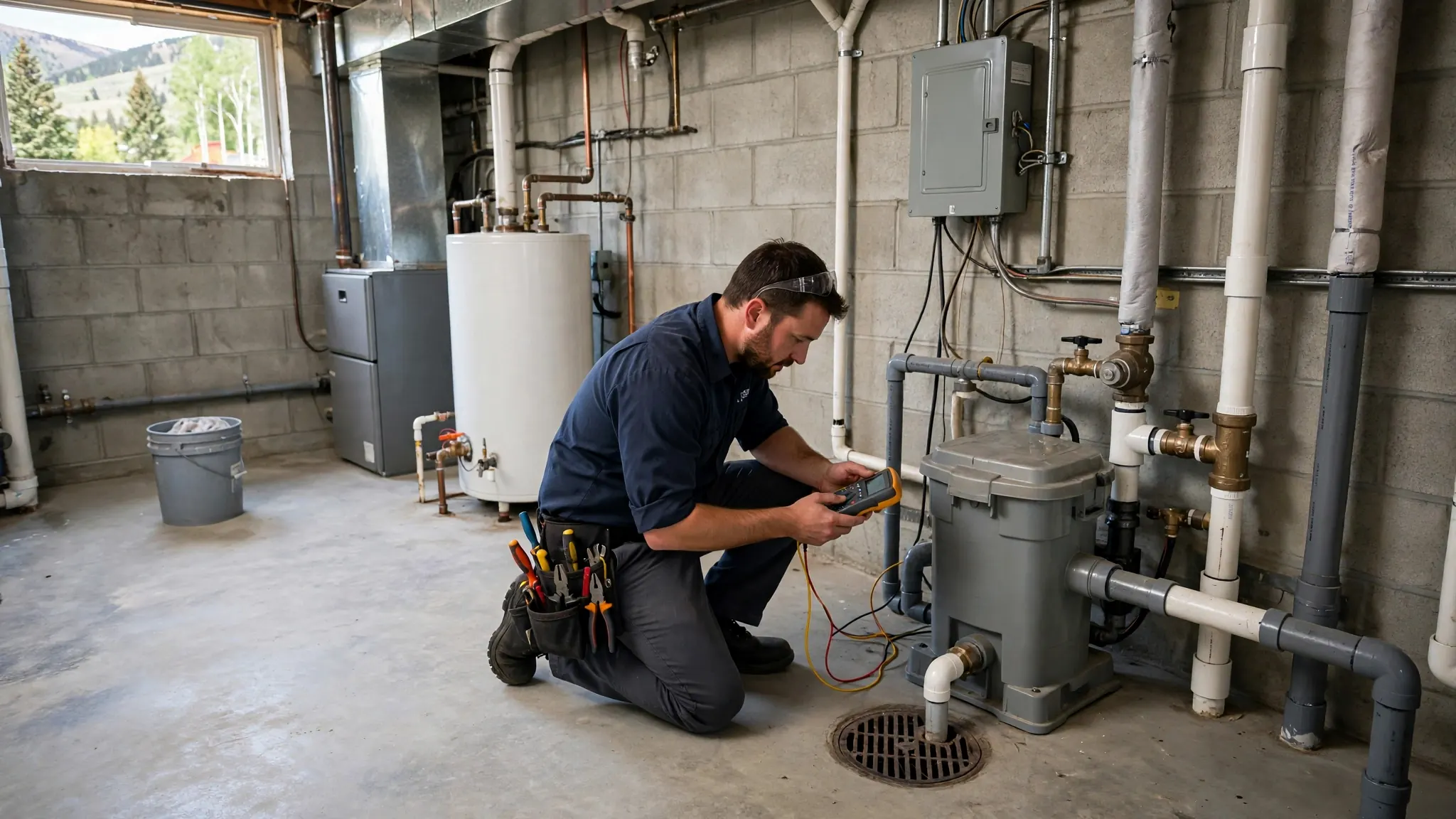
Commercial plumbing systems are bigger in every dimension: longer supply runs, larger-diameter pipes, multiple restrooms, kitchens or break areas, irrigation for landscaping, and often specialized systems such as commercial water heaters, boilers, cooling equipment, and floor drains with lift pumps. More pipe means more potential failure points, and the building's size means a leak can be far from anyone who would notice it.
Usage patterns differ too. Many commercial buildings sit empty overnight and on weekends, giving a leak hours of undisturbed time to spread. Others run around the clock, where background noise and constant water use mask the acoustic signatures that make residential detection straightforward. Both patterns demand adapted techniques — scheduled quiet-period surveys for noisy buildings, and systematic zone-by-zone testing for large ones.
The consequence side is what makes commercial leaks expensive beyond the water itself. Damaged inventory, ruined tenant improvements, health-code issues in food service, slip hazards in public areas, and business interruption all multiply the cost of a leak that a homeowner would experience as a repair bill alone.
Common Commercial Leak Sources
Certain failure points show up again and again in commercial buildings. Knowing them focuses both prevention and detection.
- Restroom supply lines and flush valves: high-cycle fixtures wear faster than residential ones, and a failed supply line in a wall can run for days unnoticed.
- Aging galvanized or copper runs in older buildings: decades of use plus aggressive water chemistry produce pinhole leaks along long corridors of pipe.
- Roof drains and internal rain leaders: not supply leaks, but a major commercial water-intrusion source that mimics plumbing leaks on lower floors.
- Kitchen and break-area plumbing: grease, heat, and heavy use stress both supply and drain lines.
- Irrigation and landscaping lines: large commercial properties run extensive irrigation, and a cracked lateral can waste enormous volumes silently.
- Mechanical rooms: boilers, water heaters, softeners, and pumps concentrate water, heat, and pressure in one space — inspect them routinely.
- Slab and foundation penetrations: where pipes pass through the building envelope, seals fail and water follows.
Detection Methods Adapted For Commercial Scale
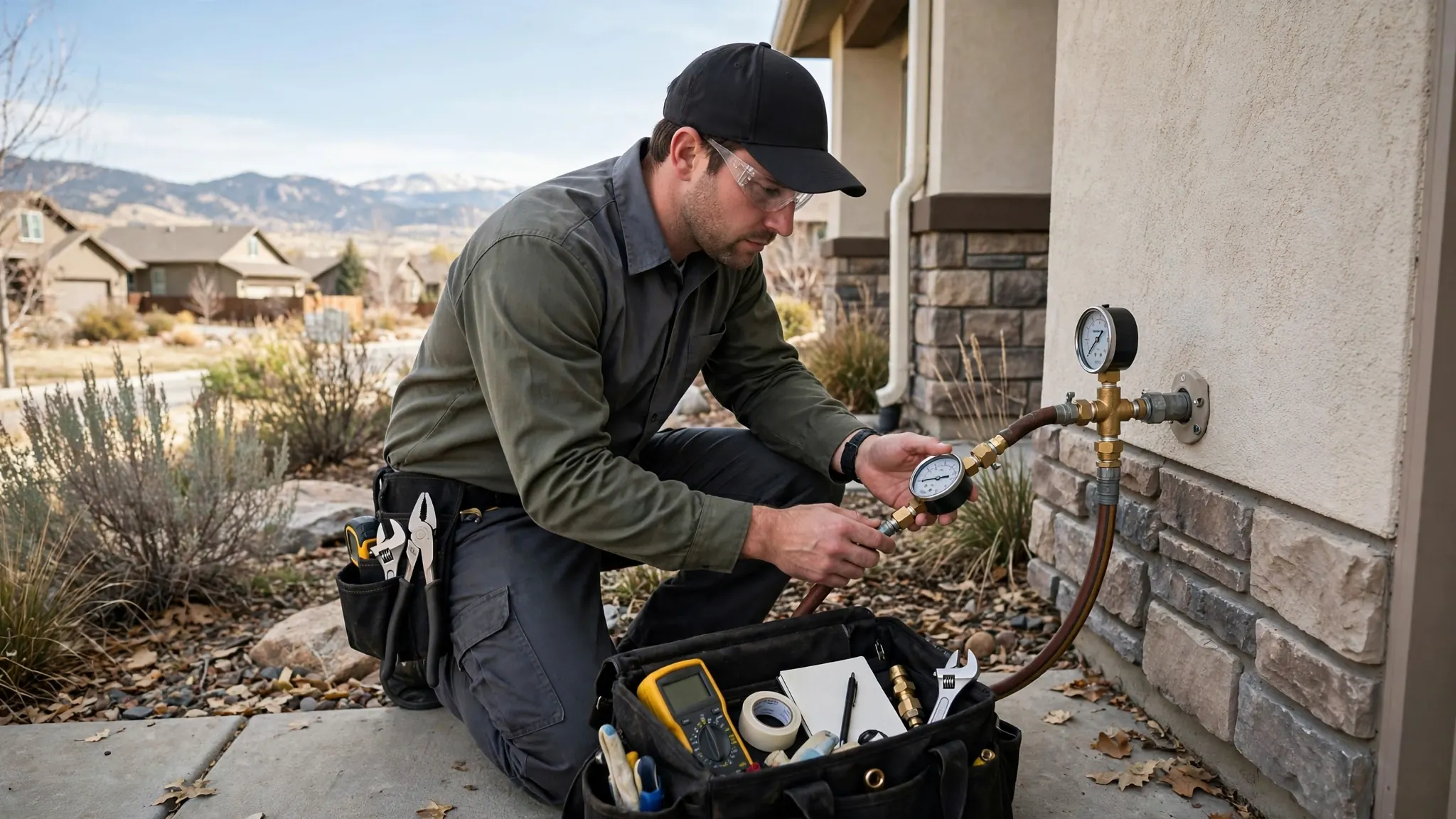
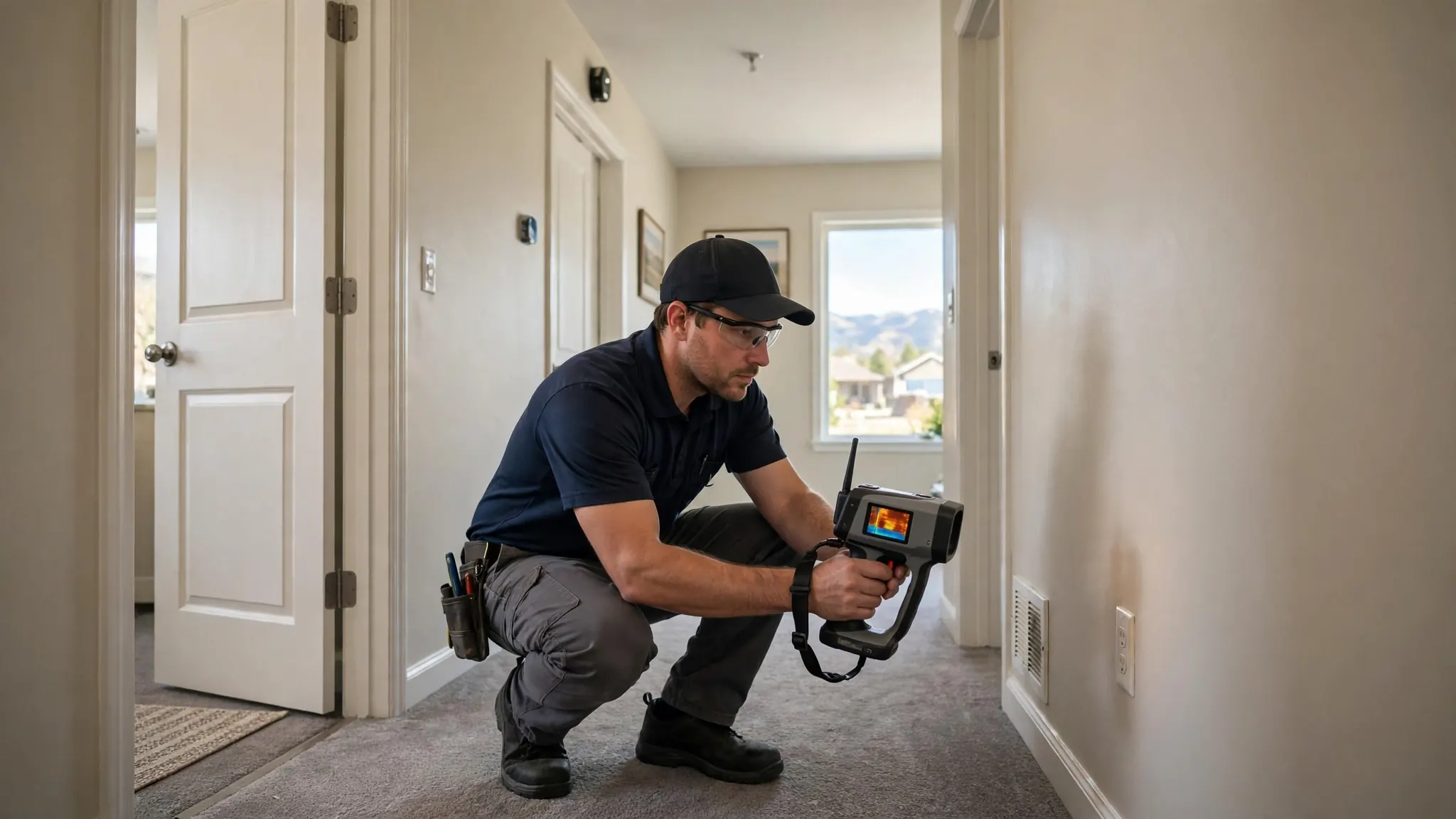
The toolkit is familiar, but the application changes with building size. Acoustic leak detection on long commercial runs uses correlators more heavily, since listening points may be hundreds of feet apart. Thermal imaging scans large ceiling and wall areas quickly, making it efficient for mapping the extent of a leak across multiple rooms. Pressure testing isolates zones — a building's plumbing is divided into sections, each tested independently to narrow the search before anyone listens or scans.
Water metering becomes a diagnostic tool at commercial scale. Many buildings have submeters or can have data loggers installed; overnight flow analysis — comparing usage when the building is empty against expected baselines — reveals leaks that daytime noise hides. A building that uses water at 3 a.m. when nobody is there has a problem worth finding.
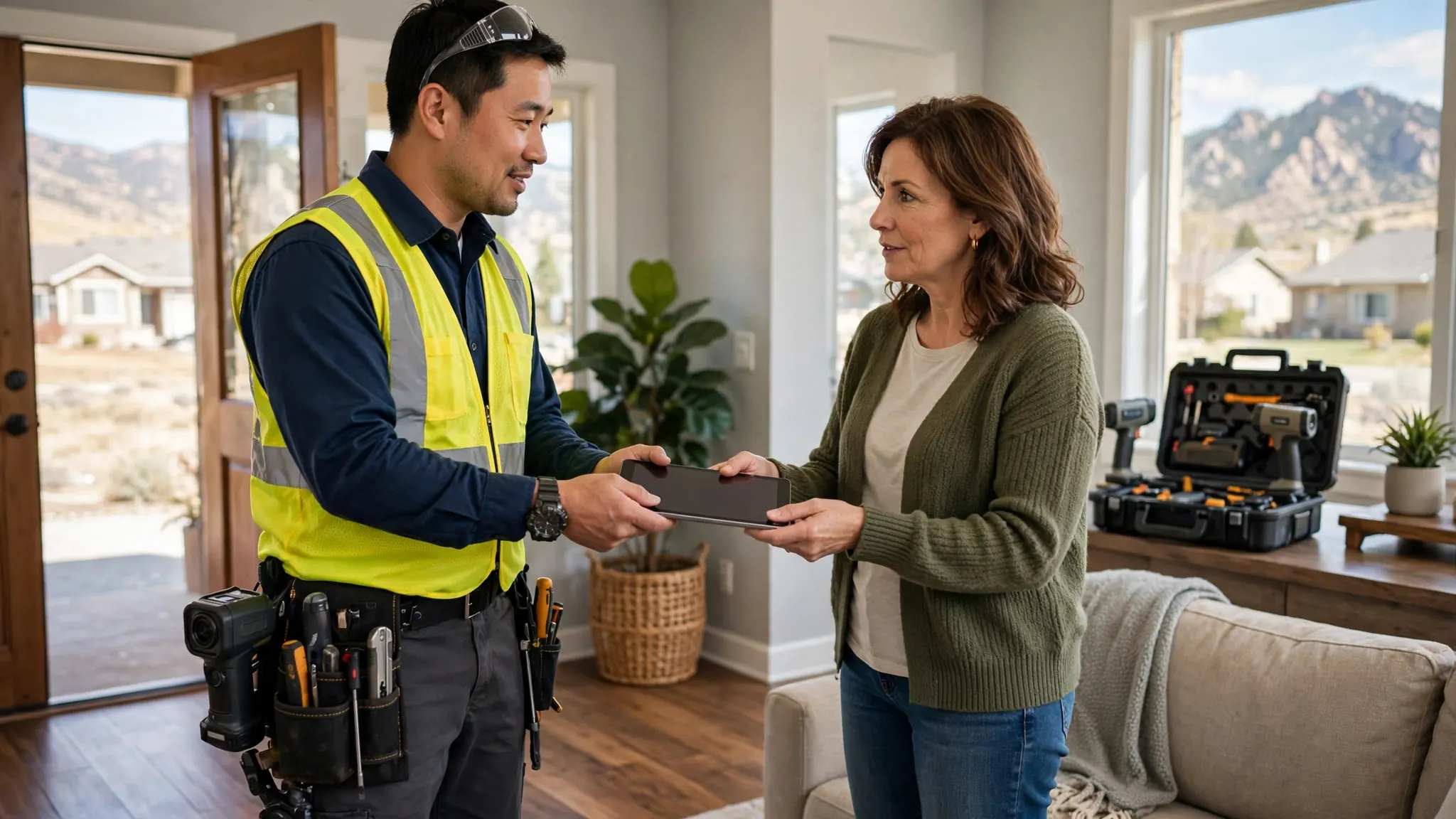
Documentation matters more commercially. A professional leak detection report with pinpointed locations, thermal images, and pressure readings supports insurance claims, landlord-tenant responsibility discussions, and capital planning for pipe replacement.
Minimizing Downtime During Detection And Repair
The biggest commercial fear — beyond the leak itself — is disruption. Detection is planned around it. Surveys are scheduled during low-activity periods: overnight, early morning, or weekends. Zone isolation means only the affected section is tested while the rest of the building operates normally. And because detection is non-invasive, there is no demolition during the diagnostic phase at all.
When repairs follow, the same planning applies: work is sequenced so critical areas stay operational, temporary water arrangements cover shutdowns, and tenants or staff are notified on a clear timeline. A facility manager's best move is building a relationship with a detection provider before the emergency — so the 2 a.m. call goes to someone who already knows the building.
Every commercial building should have an up-to-date plan showing shut-off valve locations, meter positions, and the general routing of supply lines. In an emergency, this document saves more time than any tool. If yours does not exist, creating one is a worthwhile project.
Prevention: A Commercial Maintenance Mindset
Commercial properties benefit from scheduled prevention in a way homes rarely need. An annual or semiannual walkthrough — checking mechanical rooms, inspecting visible piping, reviewing water bills for unexplained increases, testing shut-off valves, and scanning high-risk areas — catches most problems while they are small.
- Review water bills quarterly against occupancy and seasonal baselines; unexplained increases trigger investigation.
- Exercise every main and zone shut-off valve annually so they work when needed.
- Inspect mechanical rooms monthly: look, listen, and smell for the early signs of leaks.
- Keep irrigation systems on a managed schedule with seasonal shutdown and regular zone checks.
- Document everything: meter readings, inspection dates, and repairs create the history that makes future diagnosis faster.
Businesses dealing with recurring drain issues should also review our guide to commercial floor drain backups — supply leaks and drain problems often share the same aging infrastructure. Seasonal preparation matters for commercial roofs and exteriors too; our fall winterization checklist covers the building-envelope steps that protect commercial plumbing as well.
When To Call Immediately
Some commercial situations should not wait for the next scheduled inspection. Active water intrusion into occupied or inventory areas, sewage odors or backups, a sudden loss of water pressure across the building, a spinning meter in an empty building, or any leak near electrical systems all warrant an immediate call. For urgent commercial situations, our emergency commercial leak detection line is answered 24/7.
We answer 24/7 and arrive in 30–45 minutes across Broomfield, and our emergency response is equipped for commercial scale — zone isolation, large-area acoustic surveys, and the documentation your insurer and stakeholders will want afterward.