Trenchless sewer repair is a family of methods that rehabilitate or replace buried sewer pipes with little or no excavation. Instead of digging a trench along the entire pipe, technicians work through small access points — usually existing cleanouts — to renew the line from the inside. Epoxy lining is the best-known trenchless method: a resin-saturated liner is installed inside the old pipe and cured in place, forming a smooth, jointless new pipe within the old one. The result is a renewed line without tearing up driveways, landscaping, or slabs. But trenchless is not right for every pipe, and understanding its limits is as important as understanding its benefits. Our sewer line epoxy lining under slab service applies these same principles beneath concrete foundations.
What Trenchless Sewer Repair Means
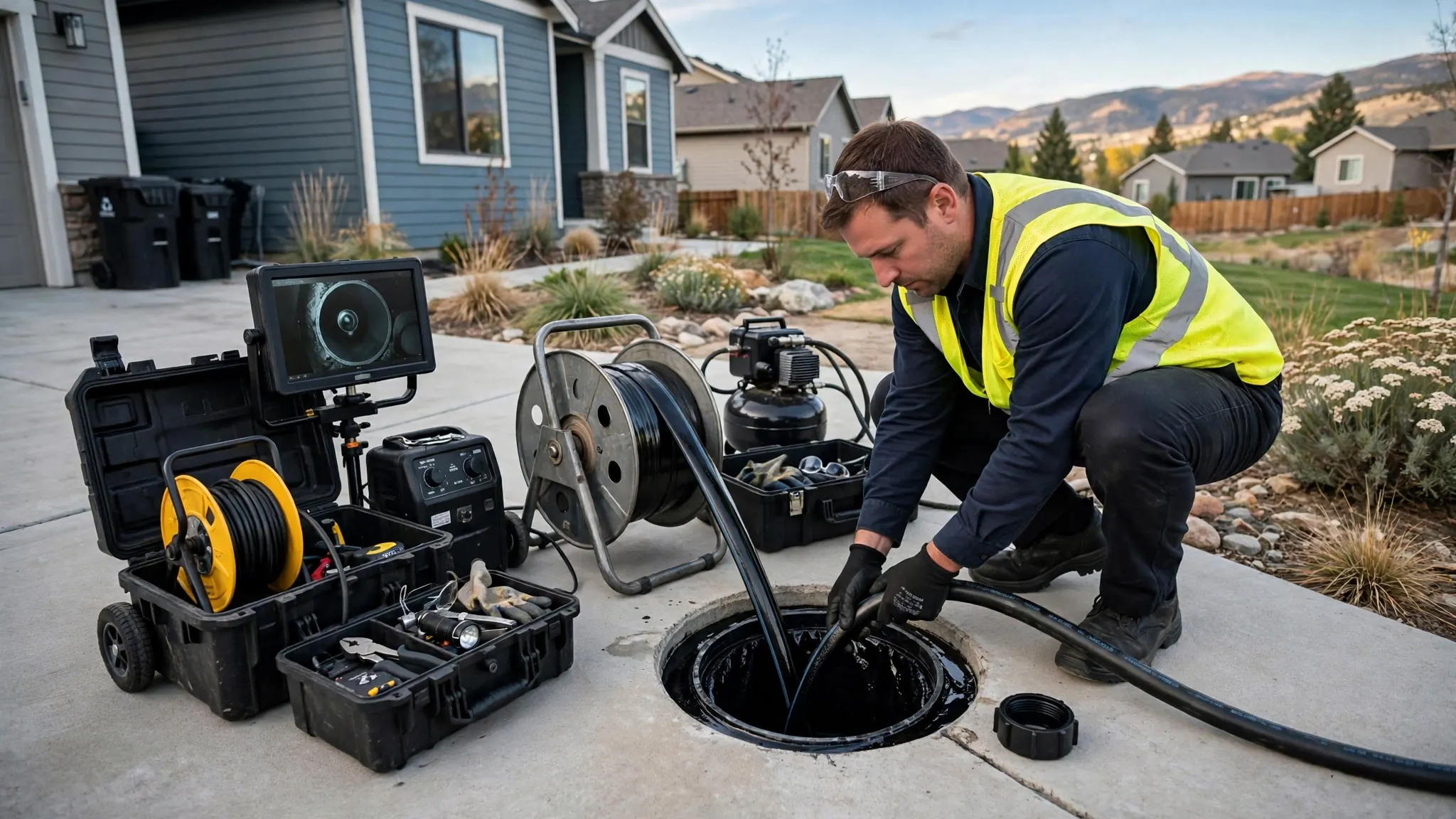
The term trenchless covers any sewer repair method that avoids open-trench excavation along the pipe's full length. Traditional sewer replacement means digging up everything above the pipe — lawns, patios, driveways, sometimes slabs — to remove the old line and lay a new one. Trenchless methods achieve a renewed pipe while the old one stays buried, working through one or two small access pits or existing cleanouts.
The two main trenchless approaches are lining and bursting. Lining creates a new pipe inside the old one. Pipe bursting pulls a new pipe through the old one's path, fracturing the old pipe outward as the new one takes its place. Both avoid the trench; they differ in what happens to the original pipe and which situations they suit. When a line is simply blocked rather than broken, main line clearing with professional equipment may be all it needs — trenchless repair enters the picture when the pipe itself is failing.
How Epoxy Lining Works, Step By Step
Epoxy lining — often called cured-in-place pipe — follows a careful sequence. Each step matters; skipping one is how bad lining jobs happen.
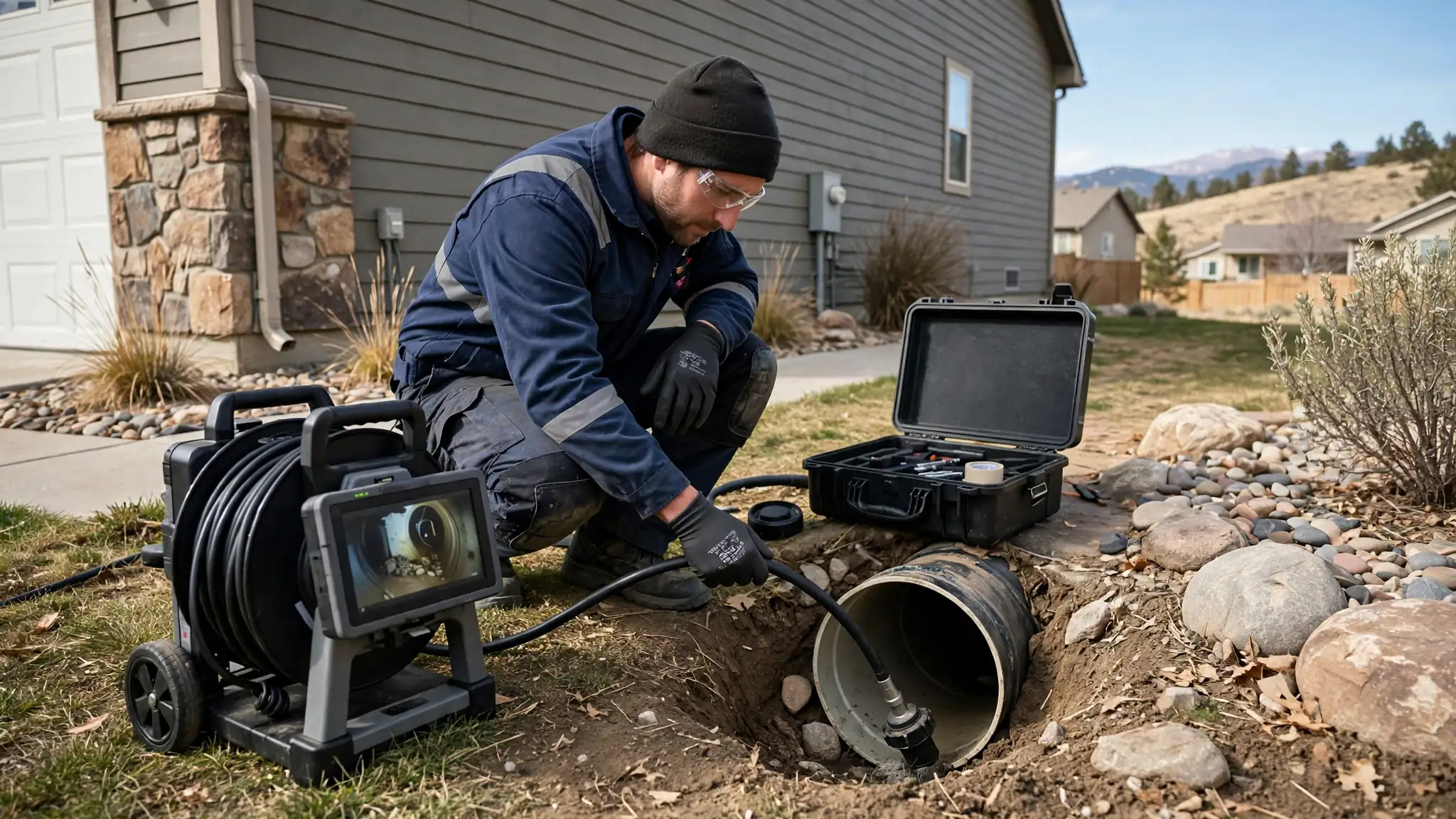
- Camera inspection. The line is inspected end to end to confirm it is a lining candidate: the pipe must be intact enough to host the liner, with no collapses or major separations.
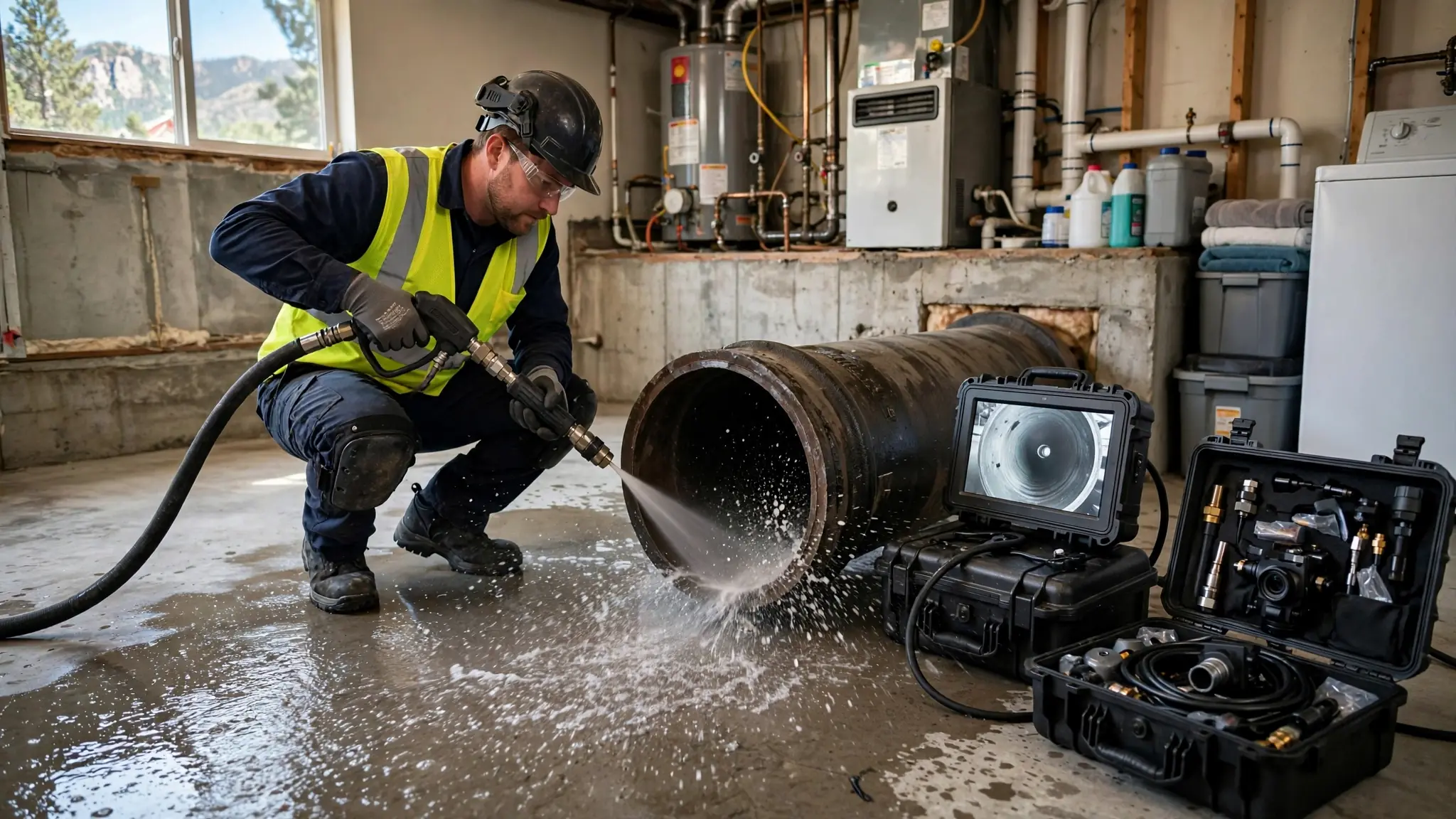
- Thorough cleaning. Roots, scale, grease, and debris are removed — usually with hydro jetting — because the epoxy must bond to clean pipe wall, not to buildup.
- Liner preparation. A felt or fiberglass liner is saturated with two-part epoxy resin, measured and mixed for the pipe's diameter and length.
- Installation. The saturated liner is inverted or pulled into the pipe through an access point, pressing tightly against the old pipe's interior.
- Curing. The resin hardens — via ambient cure, hot water, or steam depending on the system — forming a rigid, jointless new pipe inside the old one.
- Final inspection. A camera pass confirms the liner is smooth, fully cured, and properly seated, with branch connections reopened where needed.
What The Finished Liner Achieves
A properly installed liner seals cracks, pinholes, and leaking joints along the lined section. Because the new surface is jointless, it eliminates the root-entry points that plague old clay or concrete pipe joints — roots exploit joints, and a liner has none. The smooth epoxy interior also resists scale buildup and improves flow compared to a corroded or rough old pipe.
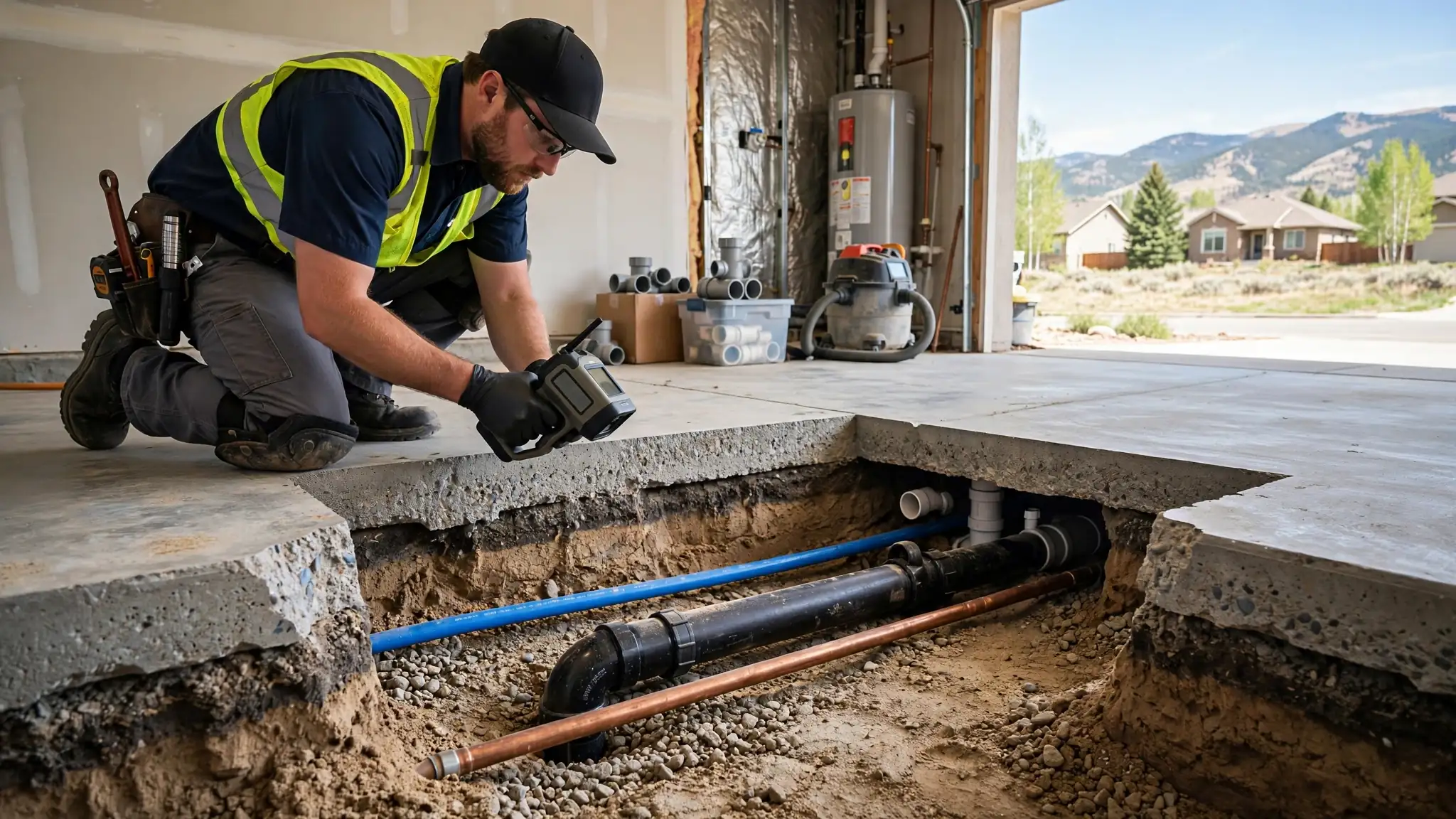
For pipes under slabs, the advantage is obvious: the line is renewed without breaking concrete or disturbing flooring. For lines under landscaping, driveways, or patios, the surface stays intact. The home's routine is barely interrupted — most lining projects complete without the household relocating or losing service for long. Because the new surface is jointless and smooth, it also resists the root intrusion and scale buildup that caused many of the original problems, addressing the underlying vulnerability rather than just patching its symptoms.
Honest Limitations: When Trenchless Does Not Fit
Epoxy lining needs a host pipe. If the old pipe has collapsed, has major sections missing, or is so deformed that a liner cannot pass through, lining is not an option — the pipe must be replaced, by bursting or by excavation. Severe bellies (low spots where the pipe sags) also limit lining, because the liner follows the old pipe's shape and a belly that holds water will still hold water afterward.
Pipe bursting handles some of these cases — it replaces rather than lines — but it needs room for the bursting head and a path free of conflicting utilities. Extremely shallow lines, lines with sharp unnatural bends, or runs tangled with other utilities may still require traditional excavation. A candid professional says so upfront instead of forcing a trenchless method where it does not belong.
If a contractor recommends trenchless lining without a camera inspection, or recommends full excavation without explaining why trenchless was ruled out, get a second opinion. The right method follows from the pipe's actual condition, which only an inspection reveals.
Trenchless Methods Compared
| Factor | Epoxy Lining | Pipe Bursting | Open Excavation |
|---|---|---|---|
| Old pipe | Stays in place, lined inside | Fractured outward, replaced | Removed |
| Digging | Access points only | Entry and exit pits | Full trench |
| Fixes collapses | No | Yes | Yes |
| Fixes bellies | No — follows old shape | Yes — new grade possible | Yes |
| Surface disruption | Minimal | Minimal to moderate | Maximum |
| Best for | Cracked but intact pipe | Failed pipe needing replacement | Complex or obstructed runs |
How To Tell If Your Line Is A Candidate
The evaluation starts with symptoms: recurring main line clogs, sewage odors, slow drains throughout the house, lush green strips over the sewer's path, or a water bill suddenly high with no fixture cause. These suggest a deteriorating line, but they do not dictate the method.
The camera inspection dictates the method. It shows the pipe's material and condition, the location and number of defects, whether roots have invaded, and whether the line holds its grade. With that footage, a professional can say definitively whether lining, bursting, or excavation is appropriate — and show you why.
Get that inspection in writing or on video for your records. The footage documents the pipe's condition before work begins, supports the method recommendation, and gives you a baseline to compare against the final inspection after the repair is complete.
For help distinguishing a main line problem from other drain issues first, see our guide on main sewer line clogs vs. septic issues, and for what happens when a line needs more than clearing, hydro jetting for main lines.