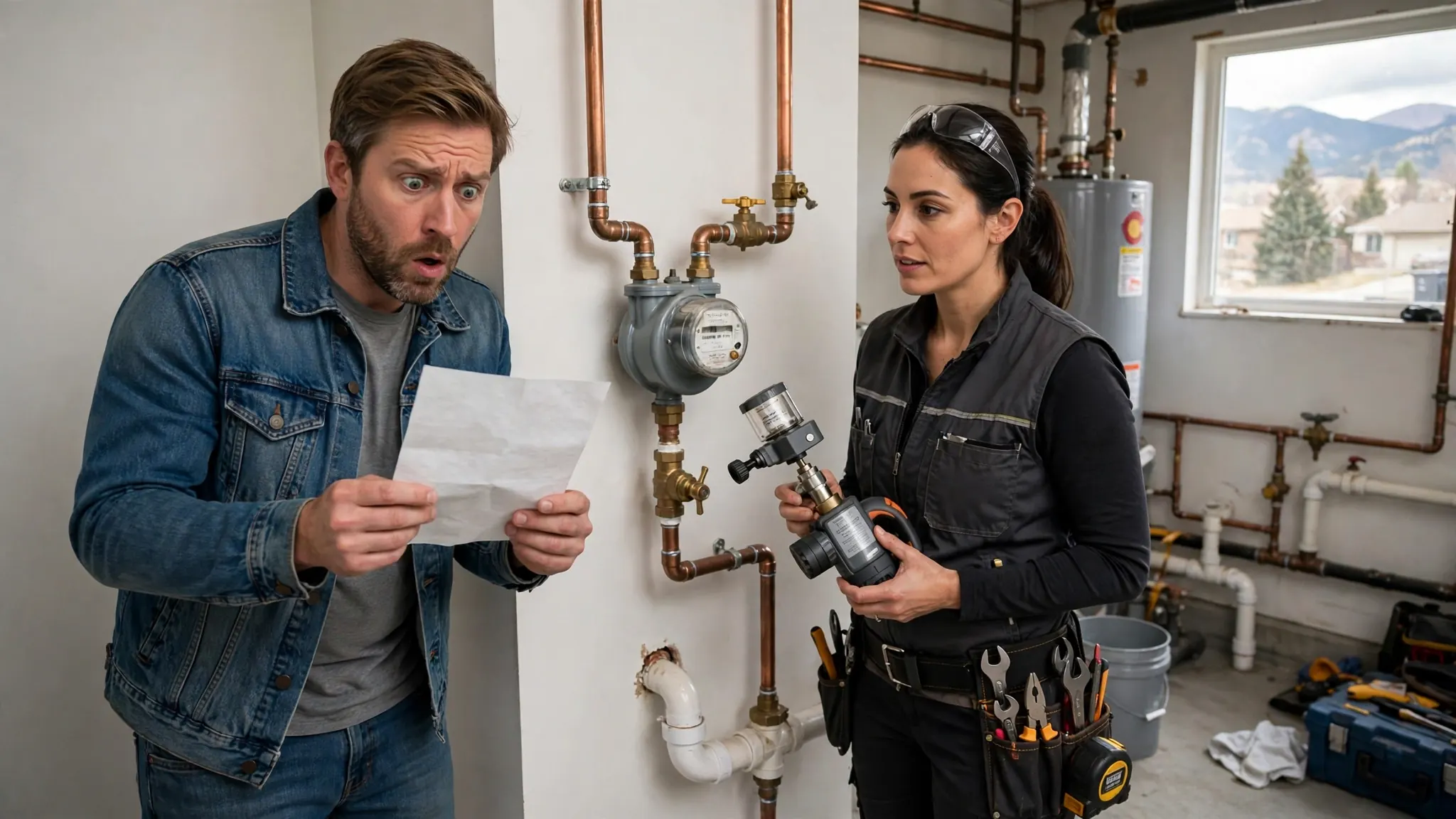
A water bill that spikes with no extra guests, new appliances, or changed habits almost always points to a leak. A running toilet, a stuck irrigation valve, or a cracked underground line can waste water quietly for weeks before the bill arrives. The good news: a two-minute meter test tells you whether water is flowing when everything in the house is off. Below you will find the warning signs, the most common causes, and exactly what to do before calling a leak detection professional.
When your bill jumps but your habits have not changed, suspect a silent leak. Check toilets and dripping fixtures first, then run the meter test: record the reading, shut everything off for two hours, and read it again. Any movement means water is flowing somewhere it should not — and professional leak detection finds the source without guesswork.
What To Do Right Now
A high bill is information, not an emergency — but it deserves action this week. These safe steps take less than an hour and tell you whether the problem sits inside the house or out in the yard.
- Compare usage, not just dollars. Look at gallons or CCF on the bill versus the same period last year. A jump in usage with steady rates is the classic leak signature.
- Check every toilet with the dye test. Add a few drops of food coloring to each tank, wait 15 minutes without flushing, and look for color in the bowl. A silent flapper leak is the most common cause of a surprise bill.
- Walk the house and the yard. Listen for running or trickling water, look under sinks and around the water heater, and check hose bibs plus any patch of lawn that stays damp.
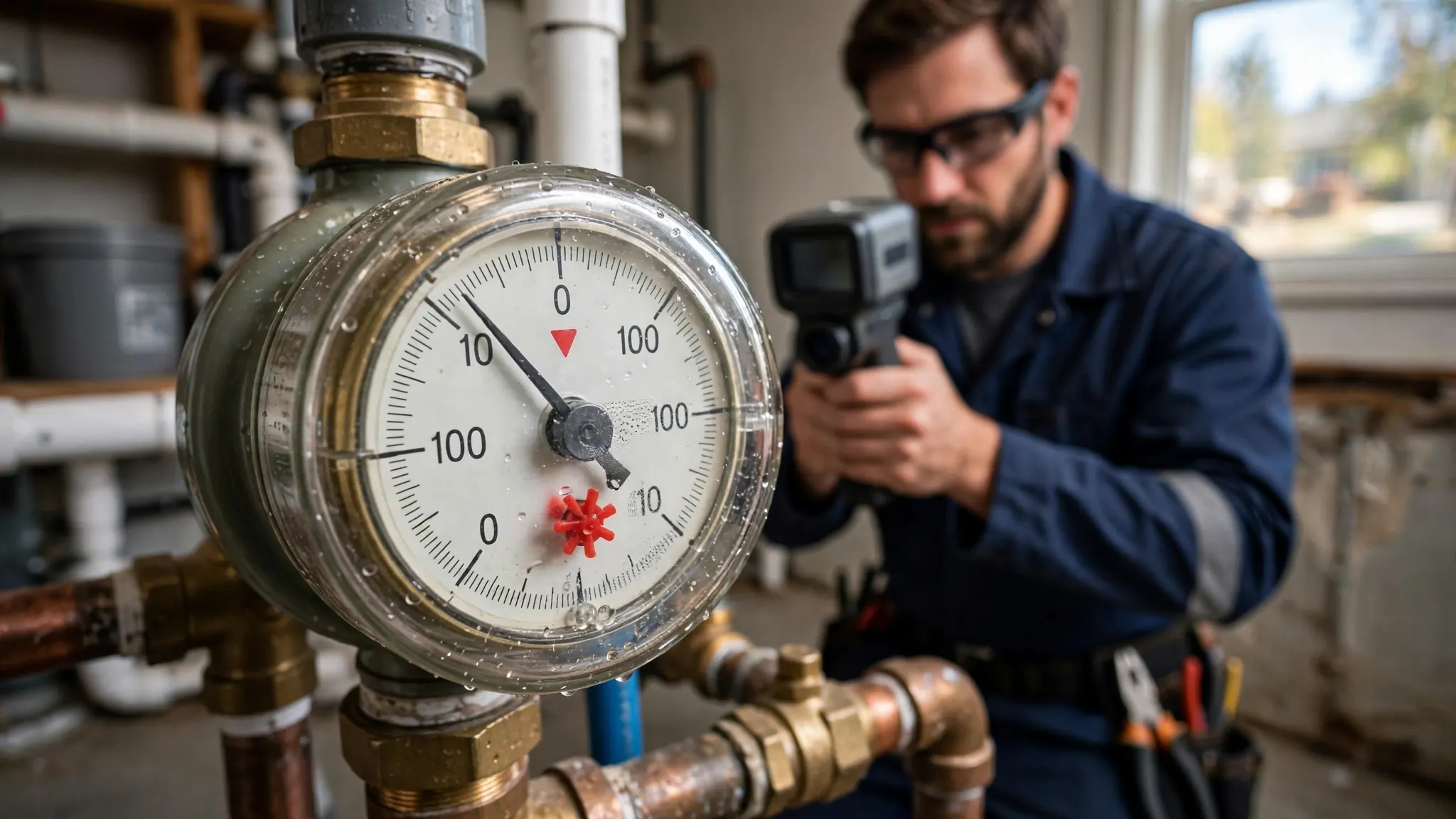
- Run the two-hour meter test. Write down the meter reading, make sure nothing uses water for two hours, then read it again. A changed reading confirms a leak.
- Photograph what you find — damp spots, the meter, the bill itself. Clear photos help your plumber and your water utility if you request a billing review.
If the meter moves during the test, you have confirmed a leak somewhere on your side of the meter. That is the right moment to schedule professional leak detection instead of paying for another month of water you never used.
Signs To Look For
The bill alone rarely tells the whole story. These companion signs narrow down where the water is going:
- The sound of running or trickling water when every fixture is off.
- A toilet that refills on its own every few minutes, known as phantom flushing.
- Damp or warm spots on floors, especially over concrete slabs.
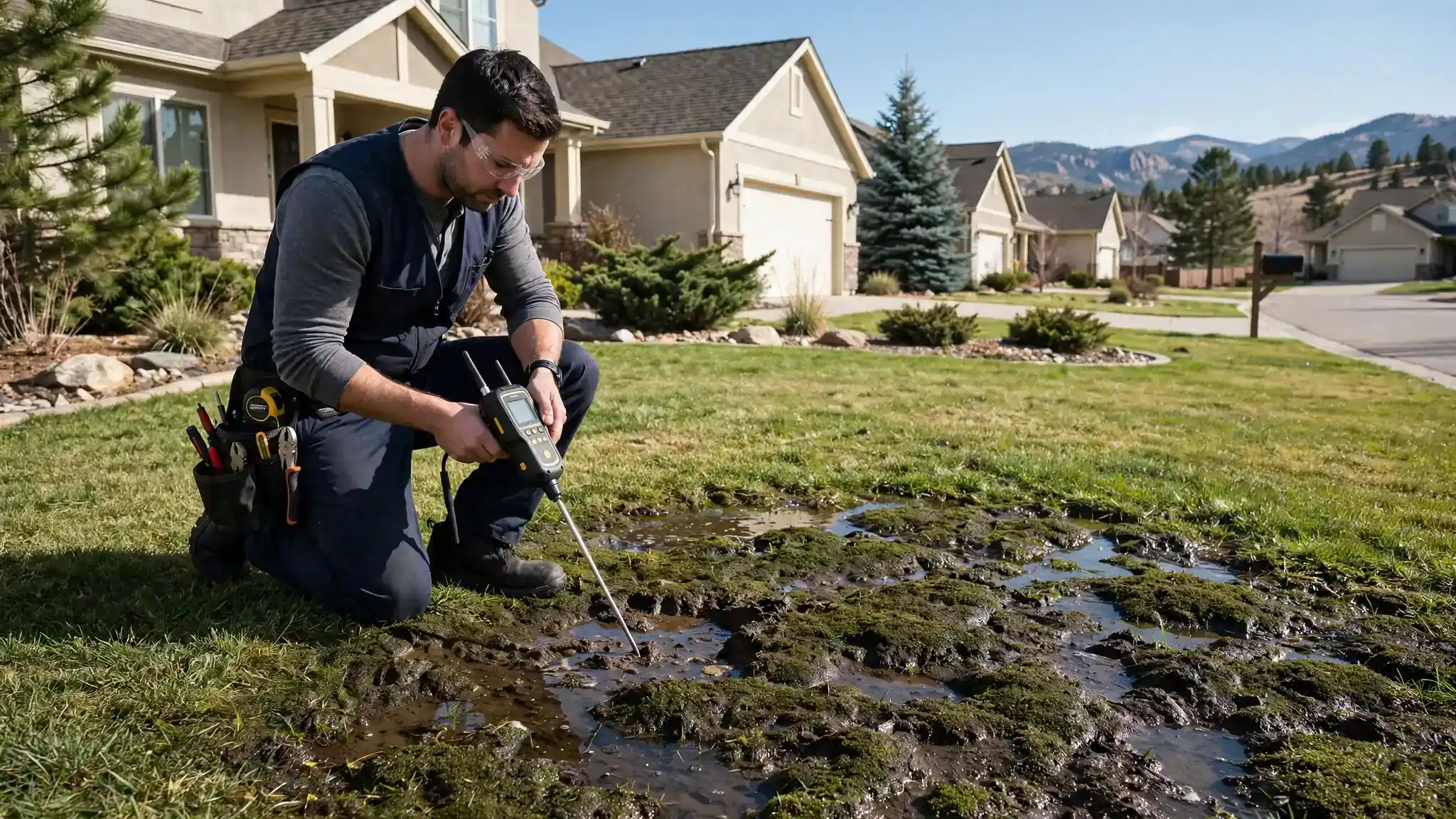
- One patch of grass growing faster and greener than the rest of the lawn.
- Noticeably lower water pressure at fixtures throughout the house.
- A water meter dial that creeps forward with no water running.
One sign plus a high bill is a strong hint. Two or three together make a hidden leak very likely — and worth locating soon rather than later.
Common Causes
Most surprise bills trace back to a short list of culprits. Toilets lead by a wide margin: a worn flapper or misadjusted fill valve can send hundreds of gallons a day straight down the drain, completely silently.
Outdoors, irrigation systems are the other major offender. A cracked lateral line, a stuck zone valve, or a broken sprinkler head can run through every watering cycle unnoticed, especially on buried lines you never see. Less common but more serious are slab leaks and failing water service lines — both waste water around the clock and worsen over time.
- Running toilet from a worn flapper or faulty fill valve
- Irrigation lateral break or a zone valve stuck open
- Dripping faucets and hose bibs left partially on
- Water heater relief valve discharging to a drain
- Slab leak under the home's foundation
- Damaged water service line between the meter and the house
Seasonal shifts matter as well. Freeze-thaw cycles can crack outdoor piping and hose bibs, and the damage often shows up first as a bill — not a puddle.
Urgent Leak? We Answer 24/7.
Meter moving with everything off? That is active water loss — call now and we will find it fast.
(720) 715-9734What Happens If You Wait
A high bill caused by a leak never resolves on its own. A running toilet keeps running, a cracked irrigation line keeps soaking the same patch of soil, and a slab leak keeps washing out the ground beneath the foundation.
Beyond the money, continuous moisture causes real damage. Wood framing and subflooring soften, drywall wicks up water and grows mold, and soil erosion under a slab can lead to settling cracks. Pressurized leaks also grow: water jetting through a small break gradually enlarges it, so the loss increases month after month.
Acting within days instead of months usually means a simpler repair and a far smaller total water bill. There is no advantage in waiting for more evidence.
Safe DIY Checks Vs. When To Call A Professional
Some checks are safe for any homeowner; others require trained equipment. This table draws the line:
| Safe For You | Call A Professional |
|---|---|
| Toilet dye test in the tank | Locating a leak inside a wall or slab |
| Reading the water meter twice | Acoustic or thermal pinpointing |
| Looking under sinks and around the water heater | Pressure-testing the supply system |
| Checking hose bibs and visible sprinkler heads | Digging up a suspected buried line |
| Listening for running water at night | Opening drywall or concrete |
Anything involving pressurized lines, electrical equipment near water, or opening finished surfaces belongs to a professional. Your job is to gather clues safely — not to cut holes.
How The Service Fixes It
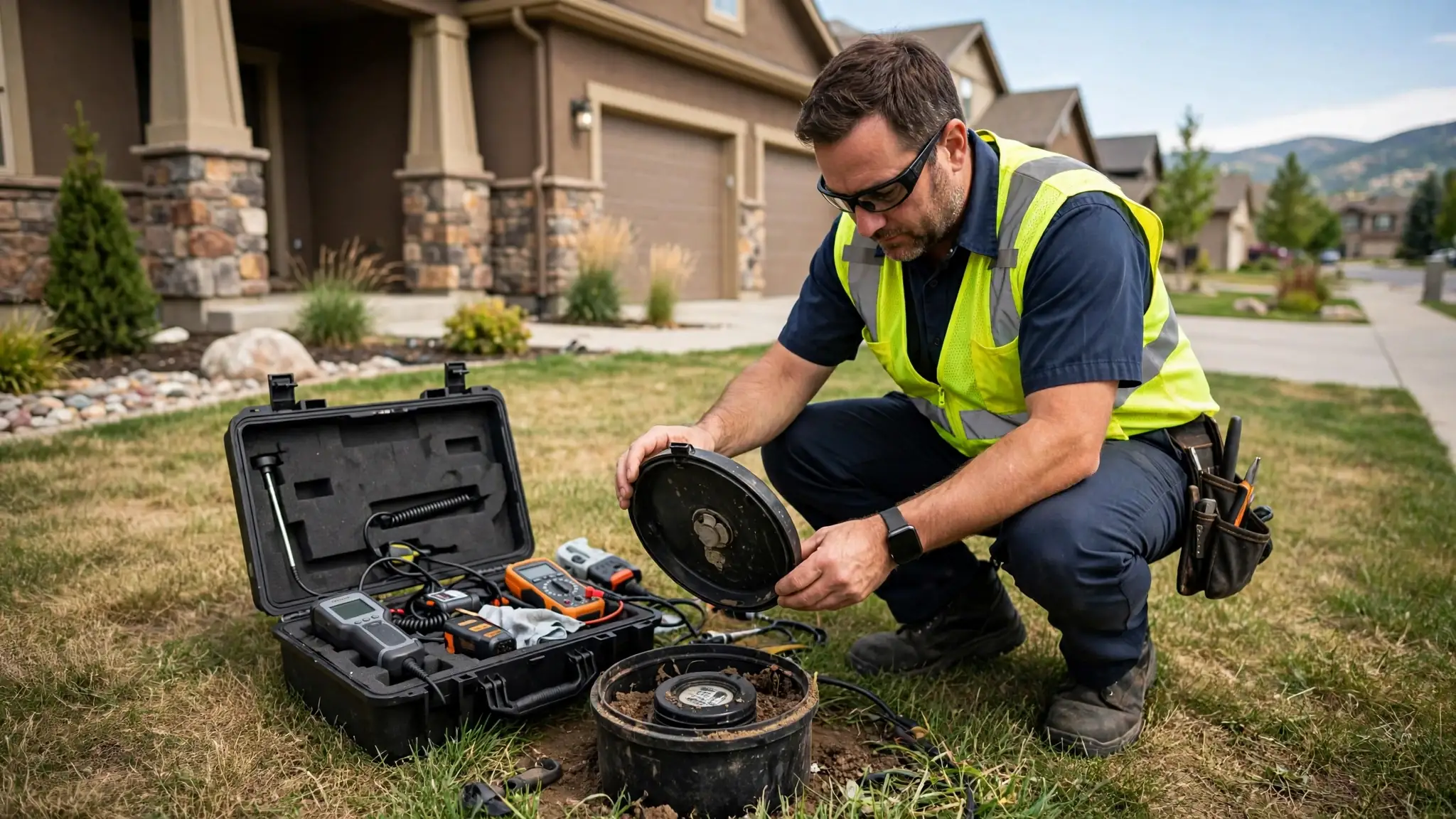
Professional leak detection turns a mystery bill into a precise location. Acoustic sensors listen for the hiss of pressurized water escaping, thermal cameras reveal temperature differences from hidden moisture, and pressure tests confirm which line is losing water — all before anyone opens a wall or digs a hole.
Once the source is pinpointed, the fix matches the cause: a toilet rebuild, an irrigation repair, or a targeted repair on a buried line. If the meter test shows continuous flow and you want help fast, emergency leak detection is available around the clock.
With 25 years of experience, we answer 24/7 and arrive in 30–45 minutes anywhere in Broomfield — so a high bill gets answers, not more surprises.