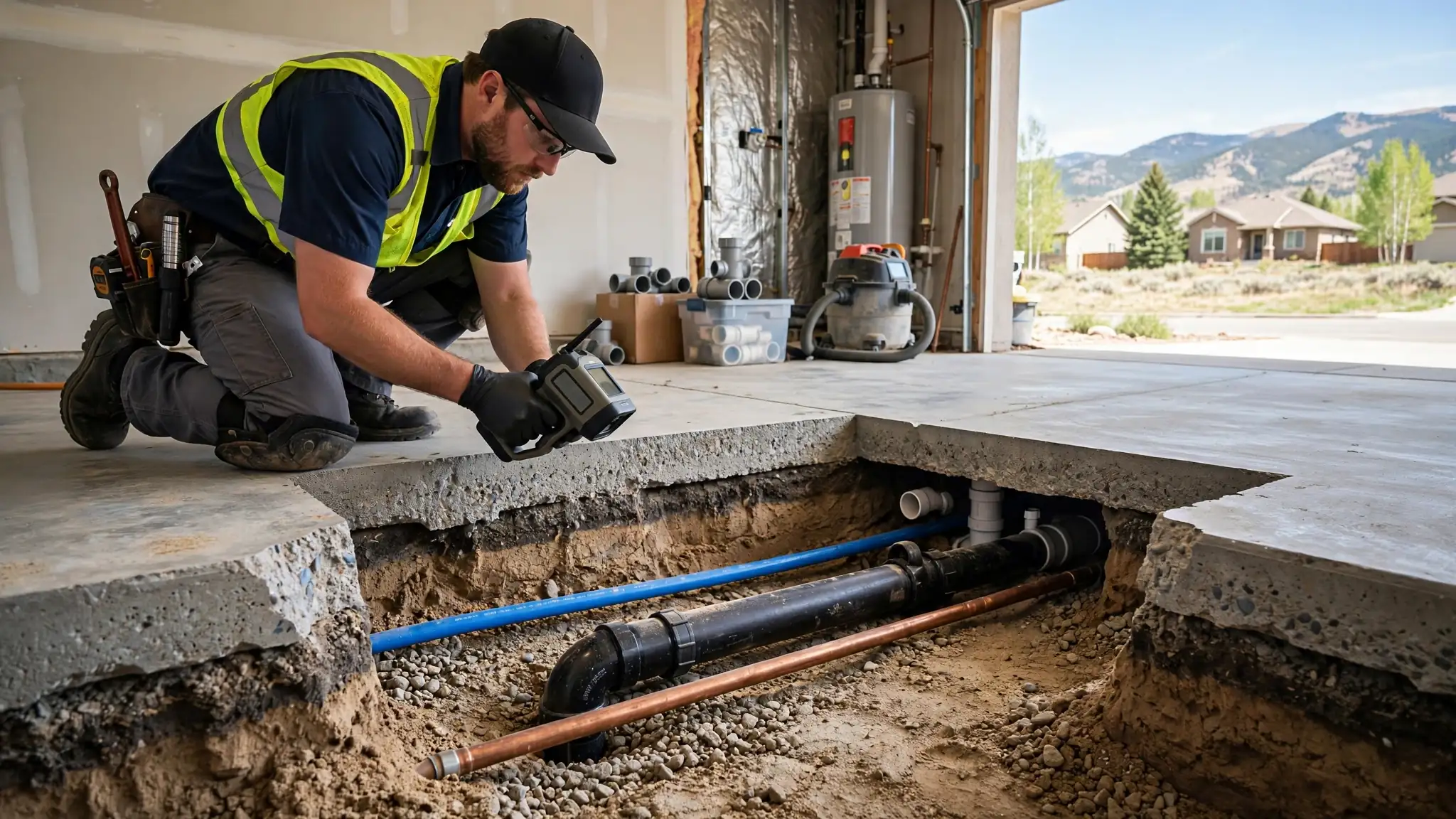
Hot water lines run beneath concrete slabs in many homes, and when one develops a pinhole or crack, the escaping hot water warms the floor above it. That warm spot is often the first — and sometimes the only — visible symptom of a slab leak. Left alone, a hot-water slab leak erodes soil under the foundation and drives up energy bills as the water heater works overtime. This guide explains how to confirm what you are feeling, what else to look for, and the safe steps to take next.
A warm floor patch with no heat source beneath it usually means a hot-water pipe is leaking under the slab. Confirm it by checking whether the spot stays warm for hours, whether the water heater runs more than usual, and whether the water meter moves with fixtures off. A persistent warm spot deserves professional leak detection — not a wait-and-see approach.
What To Do Right Now
A warm spot is a clue, not a crisis — but hot-water slab leaks worsen steadily, so treat it as a this-week priority. These steps are safe and take under an hour.
- Mark the spot. Outline the warm area with painter's tape and note the date. If it grows, you have proof the leak is active.
- Check the water heater. A heater that cycles far more than usual is reheating water lost to a leak — a strong corroborating sign.
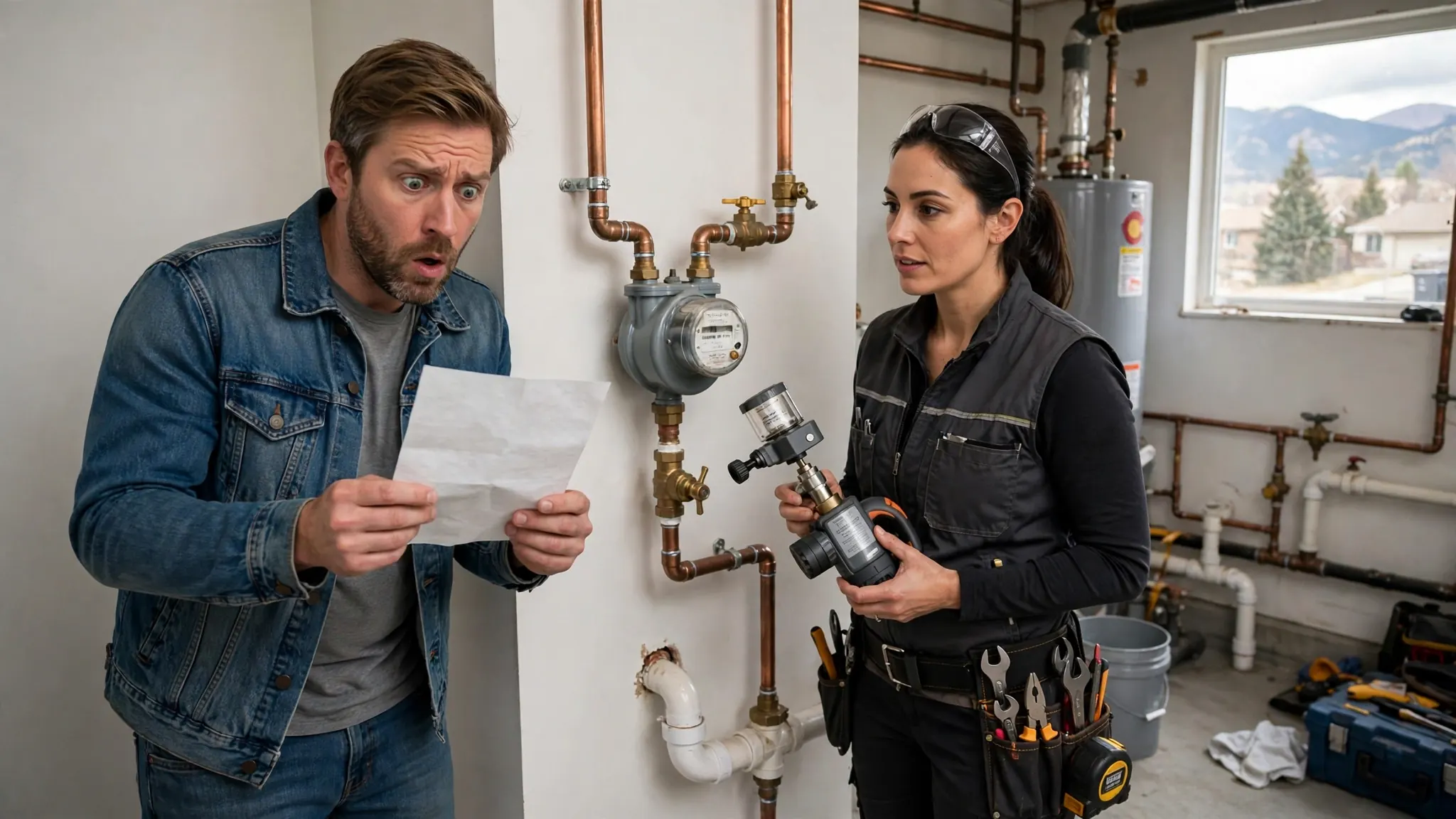
- Run the meter test. With everything off for two hours, any meter movement confirms water is escaping somewhere.
- Feel nearby floors and baseboards. Warmth spreading along a wall line hints at the pipe's path under the slab.
- Photograph the area and any cracks in nearby flooring or baseboards. Dated photos document progression.
Do not pull up flooring or drill into the slab to investigate — the pipe's exact location is unknown until it is pinpointed professionally, and exploratory holes rarely land in the right place.
Signs To Look For
A warm spot rarely travels alone. Look for these companions:
- The water heater running constantly or restarting far more often than normal.
- A higher gas or electric bill with no change in hot-water habits.
- Damp carpet, buckling wood, or loose tile near the warm area.
- The sound of running water beneath the floor when fixtures are off.
- Cracks appearing in flooring or along baseboards near the spot.
- Low hot-water pressure at faucets and showers.
Warmth plus any one of these makes a hot-water slab leak the leading explanation. Warmth plus two or more makes it near certain.
Common Causes
Copper supply lines buried in or under concrete react with soil chemistry and concrete over time, and the constant expansion and contraction of hot-water lines adds stress. The result is often a pinhole leak — tiny, but under full water pressure it never stops.
Other causes include abrasion where a pipe rubs against rebar or aggregate, poor original installation with a kinked line, and shifting soil that flexes rigid pipe. Hot lines fail more often than cold lines simply because thermal cycling accelerates wear.
- Pinhole corrosion in copper hot-water lines under the slab
- Pipe abrasion against rebar, aggregate, or concrete edges
- Thermal expansion stress from repeated heating cycles
- Soil movement flexing rigid supply lines
- Original installation defects such as kinked or nicked pipe
A hot-water leak under the slab erodes supporting soil and can undermine the foundation over time. If the warm area is expanding week to week, treat it as urgent rather than routine.
Urgent Leak? We Answer 24/7.
Warm spot growing by the week? Hot-water slab leaks do not stop on their own — call now.
(720) 715-9734What Happens If You Wait
Hot water escaping under pressure does three kinds of damage at once. It washes away the compacted soil supporting the slab, it forces the water heater to run far more than designed, and it keeps the subfloor and flooring materials damp — an open invitation to mold.
As soil erodes, the slab can settle unevenly, producing cracks in flooring, sticking doors, and in advanced cases, visible foundation movement. Meanwhile the water bill and the energy bill both climb, because you are heating water that goes straight into the ground.
Early slab leaks are often repaired with a single targeted opening. Late ones can require rerouting entire lines. The difference is usually measured in months of delay.
Safe DIY Checks Vs. When To Call A Professional
You can confirm the symptom safely; locating the break requires specialized tools:
| Safe For You | Call A Professional |
|---|---|
| Marking and monitoring the warm area | Pinpointing the leak under concrete |
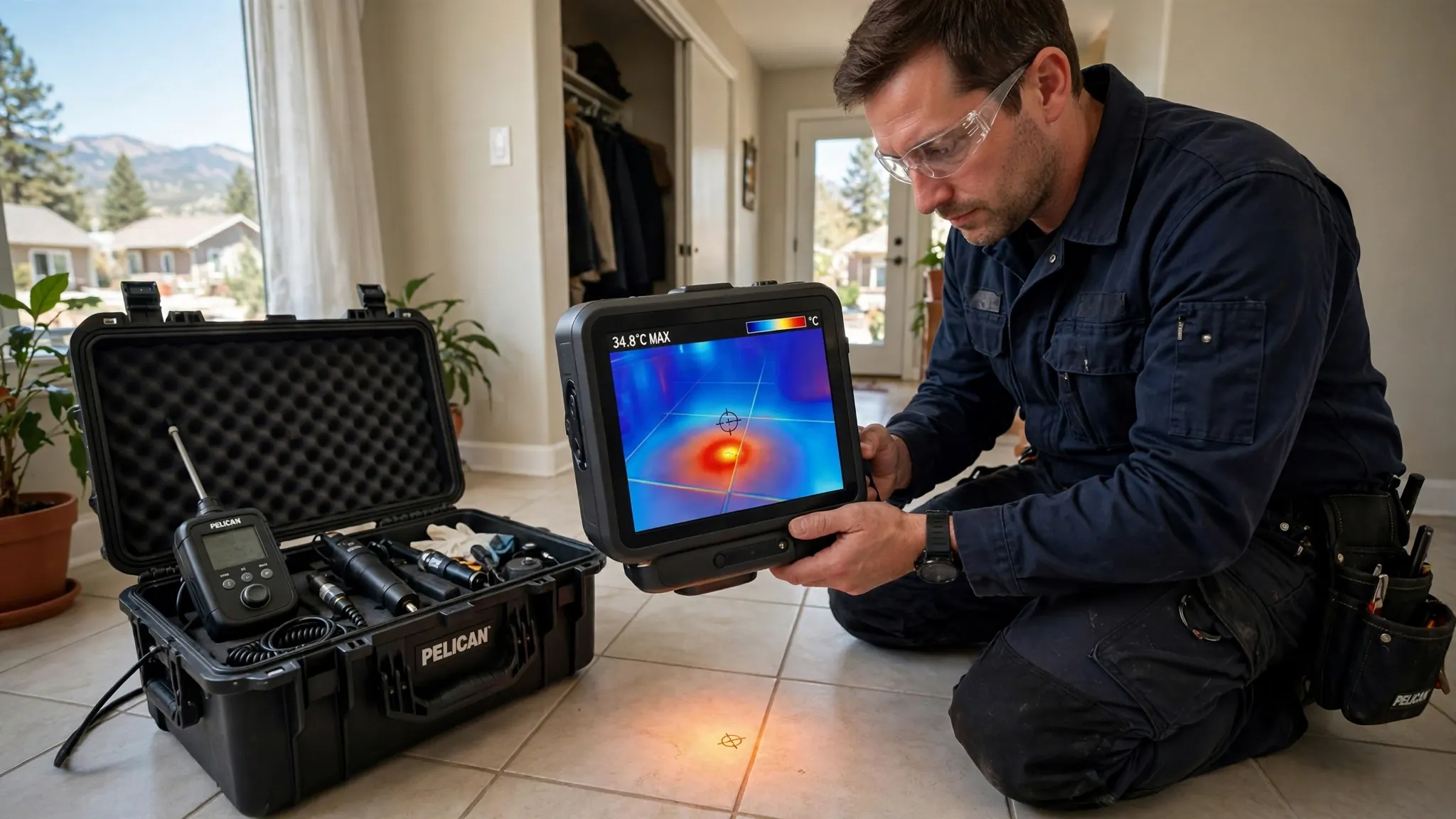
| Running the two-hour meter test | Thermal imaging of the slab |
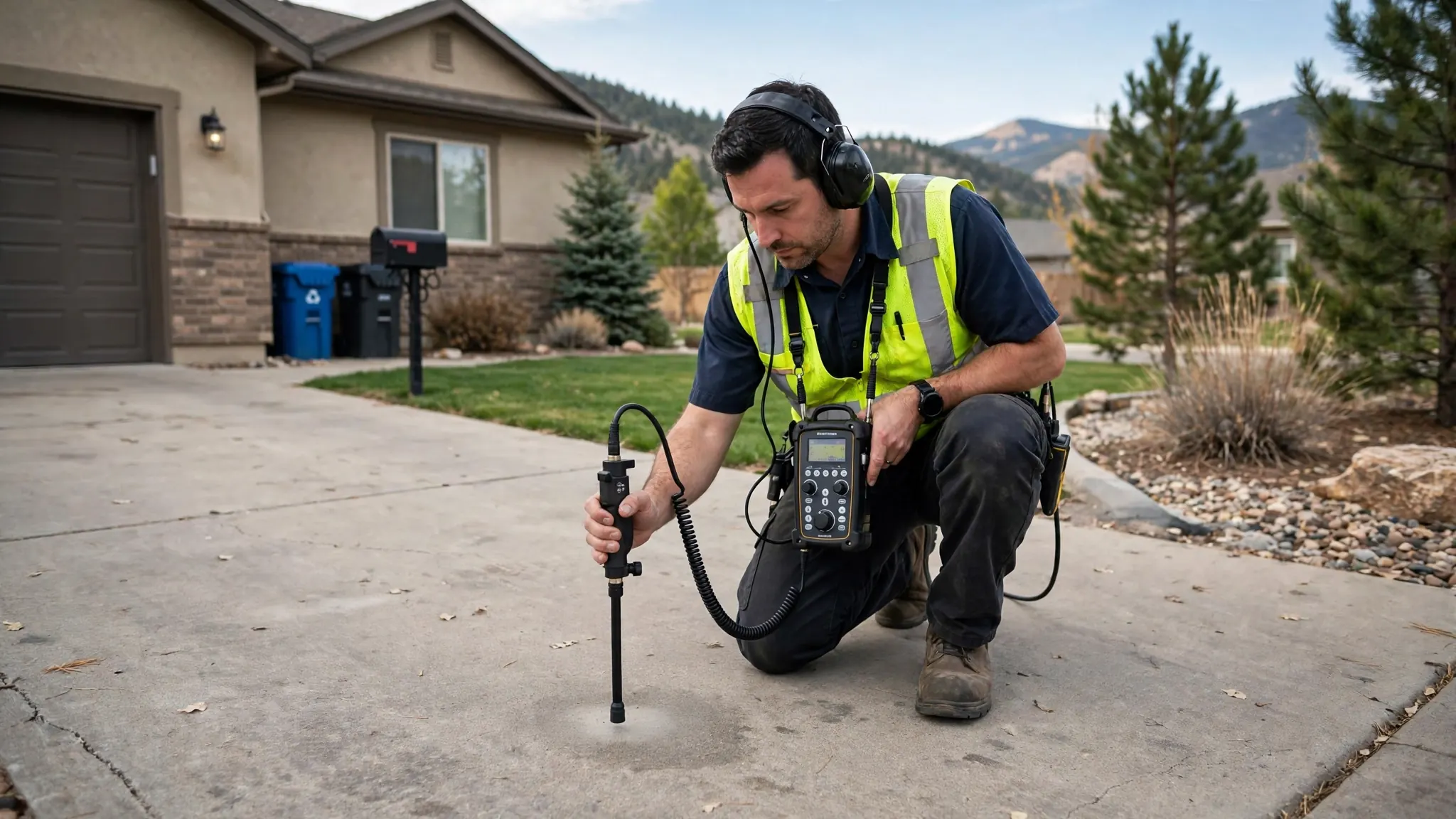
| Checking water heater cycling | Acoustic listening through the floor |
| Feeling for dampness at baseboards | Pressure-testing hot vs. cold lines |
| Photographing flooring changes | Opening the slab for repair |
Never cut concrete or pull up flooring based on a guess. Slab openings are expensive to patch, and a misplaced hole teaches you nothing.
How The Service Fixes It
Slab leak detection combines thermal imaging — which maps the heat signature of escaping hot water through the floor — with acoustic ground microphones that hear the leak's exact point. Pressure tests on the hot and cold lines separately confirm which side is failing.
Once pinpointed, repair options include a spot repair through a small slab opening, rerouting the line overhead, or epoxy lining in suitable cases. If the warm spot is spreading or the meter shows steady flow, emergency slab leak service is available 24/7.
We answer 24/7 and arrive in 30–45 minutes anywhere in Broomfield, and our leak detection finds the break through concrete — no jackhammering to find it.