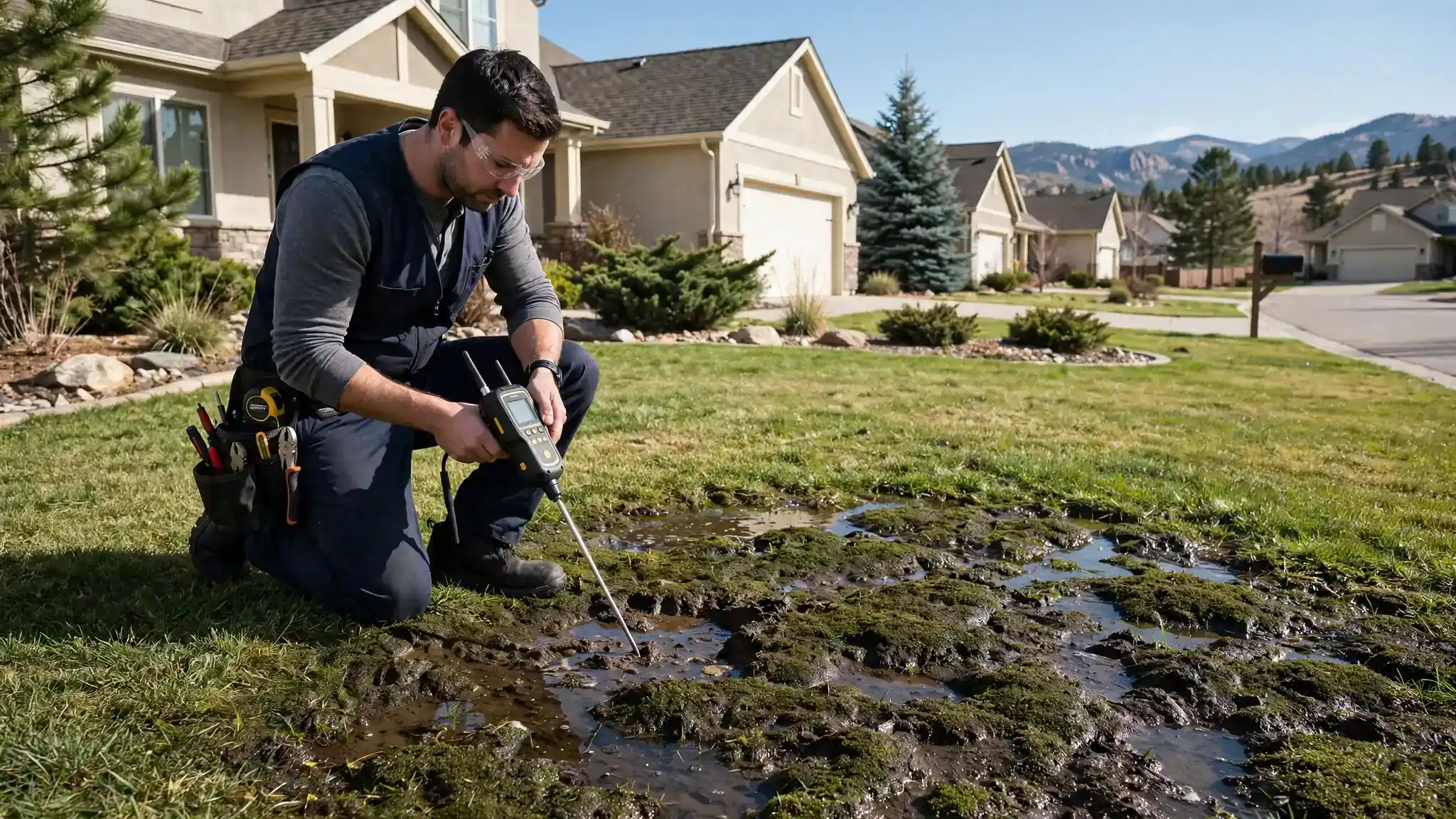
Healthy sprinkler zones dry out between waterings. When one zone stays soggy for days — squelching underfoot, pooling at heads, or growing mushrooms — water is arriving outside the watering schedule. The two usual suspects are a zone valve stuck partially open, which keeps its lateral pressurized around the clock, or a cracked lateral line leaking underground. Both waste water and drown the zone's landscaping. This guide explains the checks that distinguish the causes and the point where professional location takes over.
Skip a full watering cycle and watch the zone: if it stays wet with the system off for days, the valve is weeping or the lateral is cracked. Check the valve box for standing water and run a meter test with the irrigation off — movement confirms a continuous leak. Irrigation leak detection then pinpoints whether the problem is the valve or the buried line.
What To Do Right Now
A soggy zone is a this-week fix — the leak runs whether the sprinklers do or not. These checks are safe and simple:
- Skip the zone for one full cycle. If it dries, the schedule was simply too generous; if it stays wet, you have a leak.
- Open the valve box for the soggy zone. Standing water or mud inside the box points to a weeping valve or a cracked manifold fitting.
- Walk the zone and mark the wettest points with flags. A leak's wettest spot is usually directly over the break.
- Check the controller. A zone accidentally set to water daily — or a manual bleed left open — mimics a leak perfectly.
- Run the meter test with the irrigation system off at the controller. Movement means water is flowing to the zone continuously.
Do not keep watering the zone 'to see what happens' — overwatering a leaking zone accelerates soil erosion around the break and masks the diagnostic drying test.
Signs To Look For
Valve and lateral leaks advertise themselves:
- One zone soggy while neighboring zones dry normally.
- Water seeping from sprinkler heads when the system is off.
- The wettest ground sitting over the lateral line's path, not at low points.
- Mushrooms or algae thriving in one zone.
- A zone that gurgles or hisses at the valve box between cycles.
- The water bill climbing through the irrigation season.
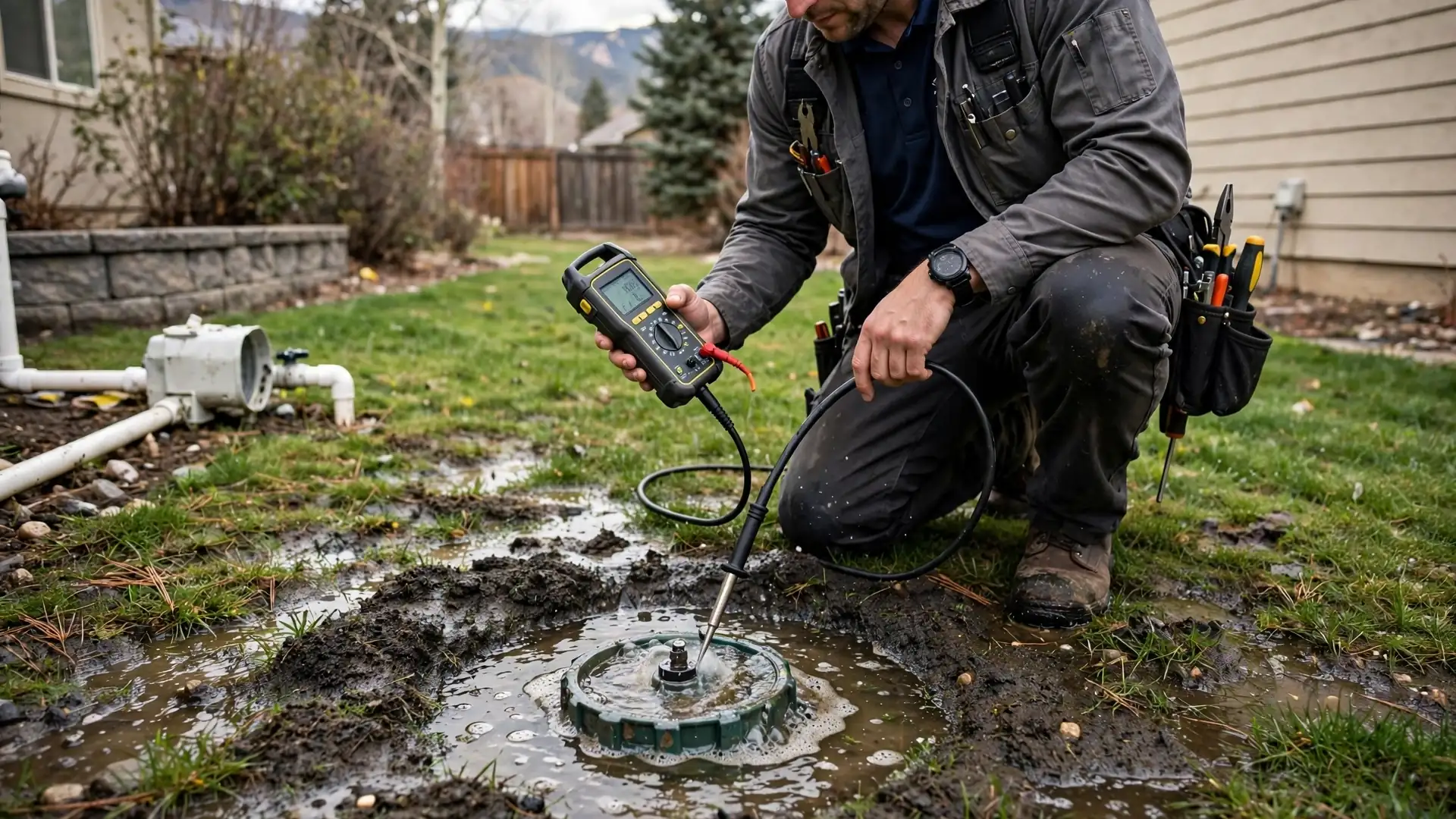
Seepage from heads with the system off is the classic stuck-valve signature — the valve never fully seats, so the lateral stays pressurized and weeps at the lowest heads.
Common Causes
Zone valves fail in a few predictable ways: grit or debris lodged in the diaphragm keeps it from sealing, the diaphragm itself tears with age, and solenoids stick after years of cycling. Any of these leaves the valve passing water 24 hours a day.
Lateral lines crack from freeze damage, soil shifting, root pressure, or simple age — and because laterals sit shallow, even a lawn aerator or shovel can nick one. Funny-pipe swing joints at the heads split from repeated flexing, and manifold fittings loosen over seasons of pressure cycling.
- Debris or a torn diaphragm keeping the zone valve open
- Sticking solenoid failing to close the valve
- Freeze-cracked lateral line underground
- Split funny-pipe connections at sprinkler heads
- Loosened manifold fittings in the valve box
- Controller misprogramming running the zone too often
The irrigation main stays pressurized even with the controller off. Before touching any valve or fitting, shut the irrigation shutoff valve — opening a pressurized valve box can spray forcefully and soak electrical components.
Urgent Leak? We Answer 24/7.
Zone flooding or water surfacing actively? Shut the irrigation valve and call now.
(720) 715-9734What Happens If You Wait
A weeping valve or cracked lateral waters the zone around the clock. Landscaping drowns — roots rot in saturated soil — while the water bill absorbs every wasted gallon. Underground, the continuous flow erodes soil along the lateral's path, eventually undermining walkways or the zone's own grading.
Valve problems also cascade: a valve stuck open robs pressure from other zones, so the whole system's coverage degrades while one zone floods.
Because the drying test diagnoses the problem in days, waiting a season just donates water to the soil and money to the utility.
Safe DIY Checks Vs. When To Call A Professional
Most irrigation diagnosis is homeowner-friendly:
| Safe For You | Call A Professional |
|---|---|
| Skipping cycles for the drying test | Pinpointing a cracked lateral underground |
| Inspecting the valve box | Rebuilding or replacing zone valves |
| Checking controller programming | Pressure-testing lateral lines |
| Flagging the wettest spots | Excavating at the marked break |
| Running the meter test | Rewiring valve solenoids |
Valve rebuilds involve the pressurized irrigation main and low-voltage wiring together — a combination best left to professionals, especially when the valve box is full of standing water.
How The Service Fixes It
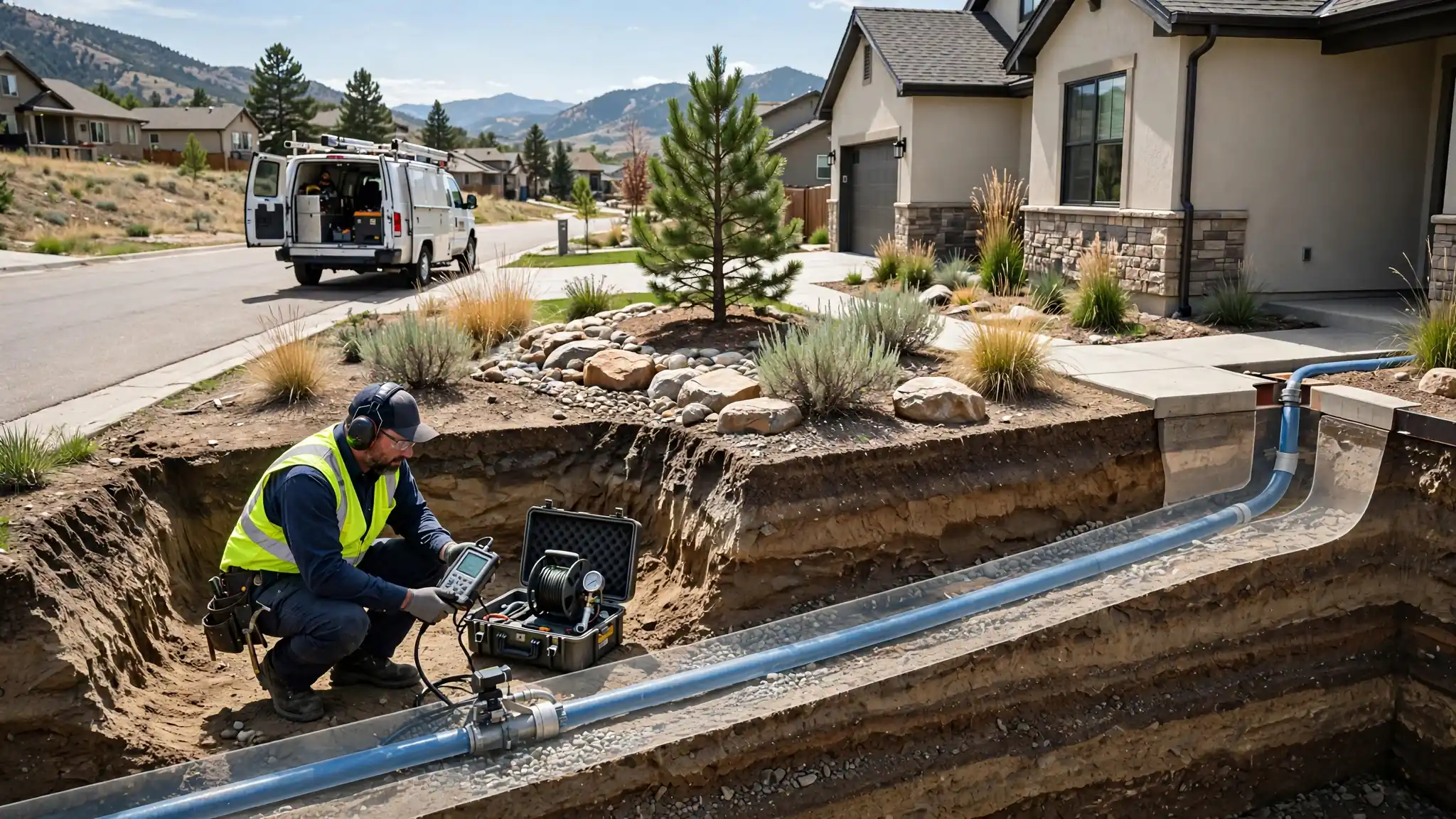
Irrigation leak detection starts with your drying-test results, then pressure-tests the lateral and listens along its path with acoustic equipment to mark the break. Valve issues are confirmed by isolating the valve and watching for weep-through.
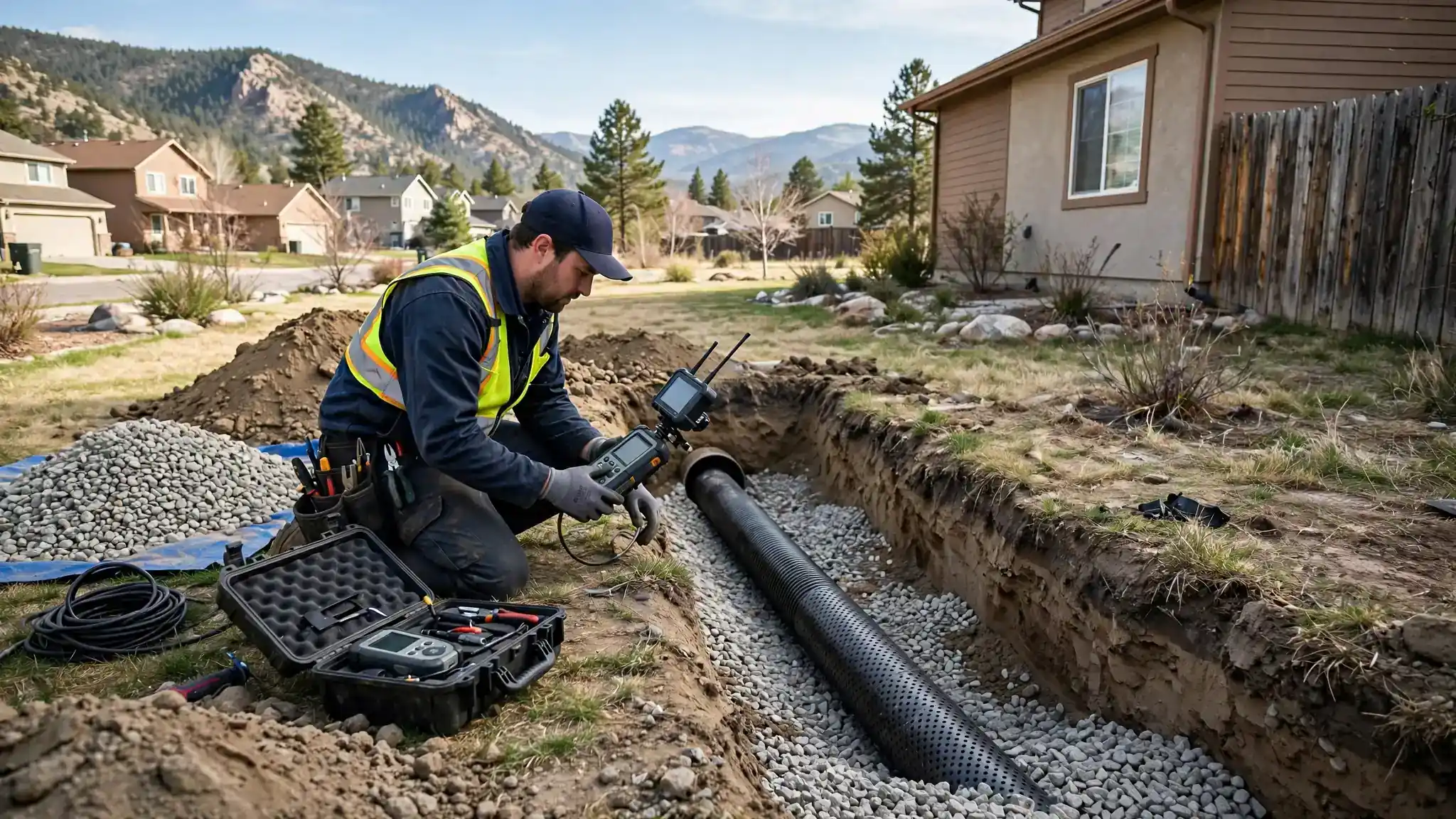
Valve rebuilds and lateral repairs are then targeted — one excavation at the marked point, not a trench through the zone. If the zone is flooding actively or the main irrigation line is involved, emergency irrigation service is available 24/7.
Irrigation-leak calls get 24/7 answering and 30–45 minute arrival. Soggy zones have specific causes — our detection names them.